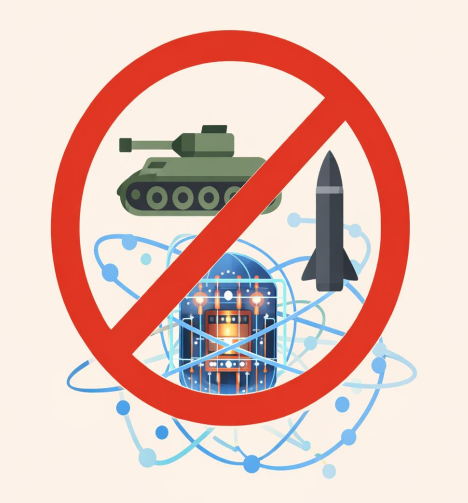
(Digital) technologies are transforming how knowledge is generated, transmitted, and utilized at universities. Technological developments typically follow a logic of efficiency and optimization. The “Critical Agile Methodology” project serves as a deliberate counterbalance and views friction between disciplines as a source of new perspectives. It explores how the critical humanities can actively analyze and help shape these processes.
The starting point is agile software development methods such as Scrum and Kanban. The project team adapts these into a critical, iterative, and interdisciplinary analytical method. This method serves both to generate findings and to reflect on the processes through which they emerge. The project itself is structured into four sprints:
Deep Research
Method Development
Practical testing in the “Arts & Machines” course at the Institute for Liberal Arts & Sciences
Proof of Concept with various internal and external partners
A central element consists of student-initiated, co-creative (teaching) formats. These bring together students, faculty, and experts from academia.
The exhibition “DUAL USE – Human in the Loop” experimentally explores how science, art, and civil society can develop content together as equals. It was created as part of the student research project “Critical Agile Methodology” (CAM) as a proof of concept. Following research, method development, and practical testing in the classroom, the project is now expanding beyond the university through transdisciplinary collaboration with artists and civil society organizations.
The exhibition showcases more than just artistic perspectives. The workshop “WHAT TO DO?” explores the question of possible courses of action. It invites participants to discuss together how we can critically monitor technological and societal developments and help shape them responsibly.
As part of the University of Hamburg’s Strategy for Excellence, the HCL supports student research groups. Here, students have the opportunity to pursue their own research ideas, actively develop their skills in the area of research-based learning, gain initial academic experience, and acquire new competencies.